

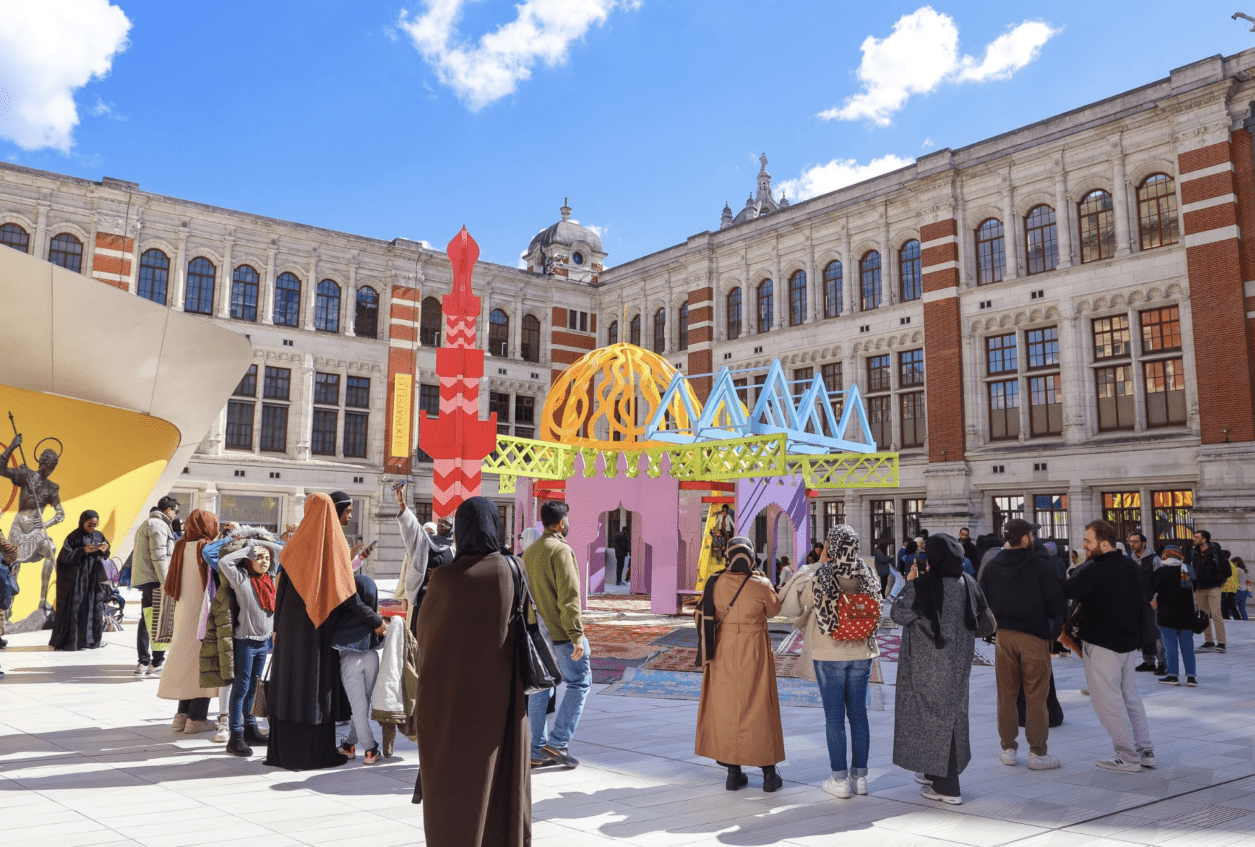
Architecture is often reduced to buildings and aesthetics, but within Muslim history it has always carried deeper meaning. Muslim architects have shaped not only structures, but the ways communities gather, worship, learn, and belong.
From historic mosques and cities to contemporary urban design in Britain today, Muslim architects continue to influence how faith, identity, and modern life coexist in physical space. Yet their contributions are frequently overlooked or misunderstood.
This feature explores Muslim architects, their design principles, and the British Muslim architects shaping spaces today.
Architecture in Islam: Principles Over Style
Islam does not dictate a single architectural style. Instead, it offers guiding principles that Muslim architects have applied across cultures and centuries:
- Balance and proportion (mizan)
- Function alongside beauty
- Community-centred design
- Respect for environment and context
This is why Islamic architecture varies so widely — from the adobe mosques of Mali to Ottoman domes and contemporary British mosques. Muslim architecture is not about imitation; it is about responsiveness.
A Brief History of Muslim Architects
During the early centuries of Islam, Muslim architects were among the world’s most innovative builders and urban planners. They pioneered:

- Domes and advanced vaulting techniques
- Courtyard-centred buildings
- Passive cooling and water systems
- Geometry-based structural harmony
Iconic examples such as the Great Mosque of Córdoba, Alhambra Palace, and Masjid al-Nabawi demonstrate how architecture was used to serve worship, education, governance, and social life simultaneously.
Muslim architecture was never just monumental — it was practical and people-centred.
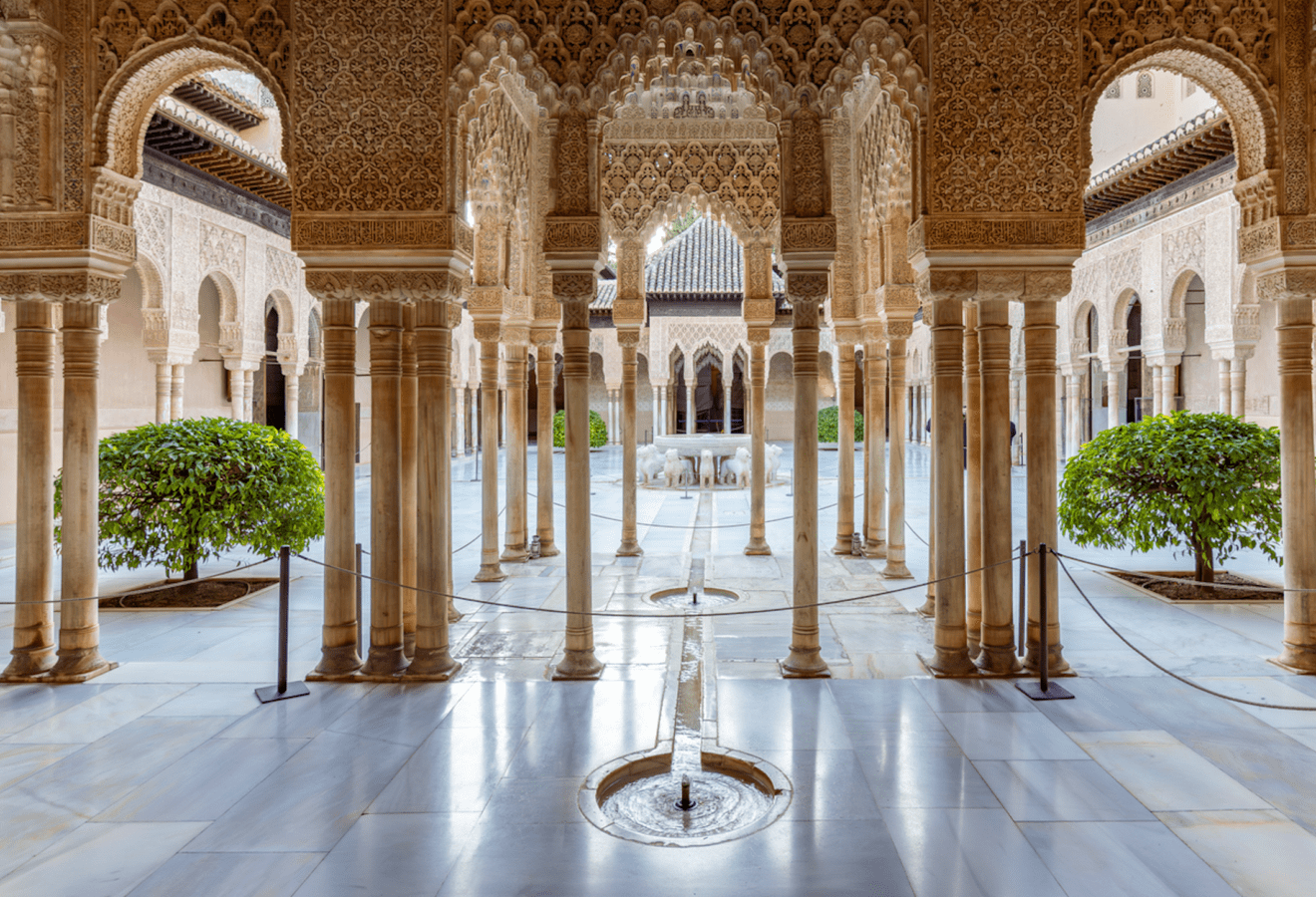
Geometry, Light and Meaning in Islamic Architecture
Key features often associated with Muslim architecture carry symbolic depth:
- Geometry reflects unity, order, and infinity
- Light creates spiritual awareness and calm
- Calligraphy integrates revelation into lived space
Muslim architects understood that architecture shapes behaviour. Space influences how people move, reflect, and interact.
Muslim Architects Beyond Mosques
While mosques are the most visible examples, Muslim architects historically designed:
- Homes and neighbourhoods
- Markets and caravanserais
- Hospitals, libraries, and bathhouses
- Entire cities and civic infrastructure
Architecture was a form of service — rooted in responsibility to society.
Muslim Architects in the UK Today
British Muslim architects are shaping a new architectural language — one that reflects faith, modernity, and multicultural life. In the UK, Muslim-led design increasingly:
- Blends contemporary architecture with subtle Islamic references
- Prioritises accessibility and sustainability
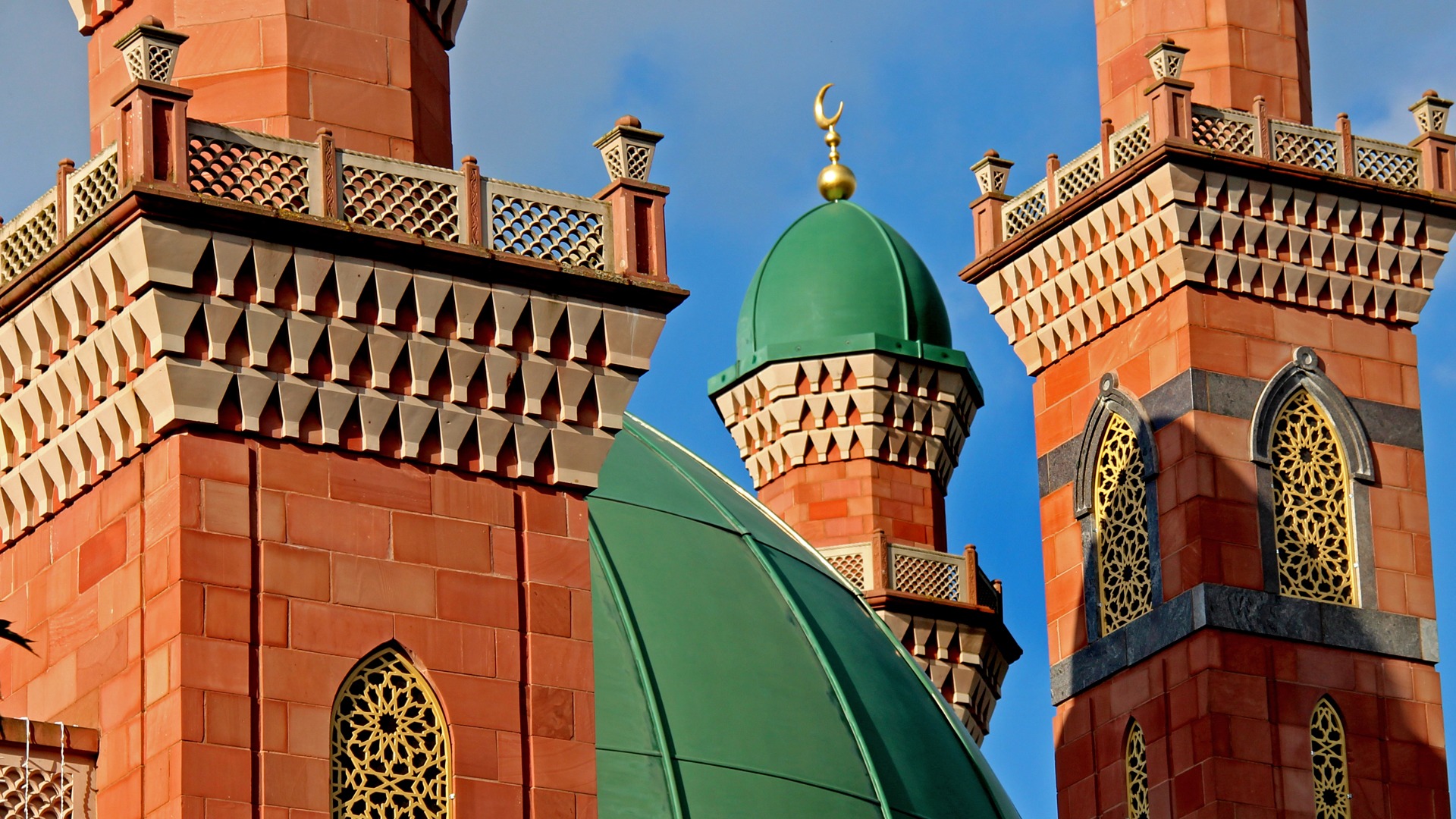
- Positions mosques as open community hubs
These buildings challenge outdated stereotypes and reflect the confidence of British Muslim identity.
Profile: Shahed Saleem
Architect, Academic and Author (UK)
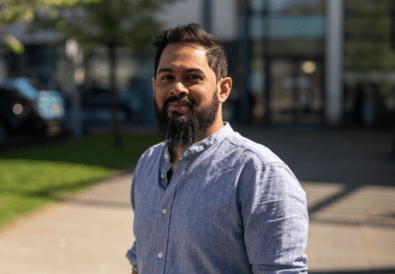
Shahed Saleem is one of the most influential voices in contemporary British Muslim architecture. A practising architect and academic, Saleem has designed mosques across the UK while also documenting their social and architectural evolution.
His work explores how British mosques reflect migration, generational change, and identity. Rather than imposing a single “Islamic style,” Saleem’s approach emphasises:

- Context-sensitive design
- Community needs
- Architectural honesty
Through both practice and scholarship, he has helped reframe mosques as British civic spaces — not foreign imports.
Profile: Dame Zaha Hadid
Architect and Global Design Icon (UK)
Although known globally, Dame Zaha Hadid remains one of the most prominent Muslim architects to emerge from the UK. Born in Iraq and based in Britain, Hadid redefined contemporary architecture through fluid forms, movement, and bold innovation.
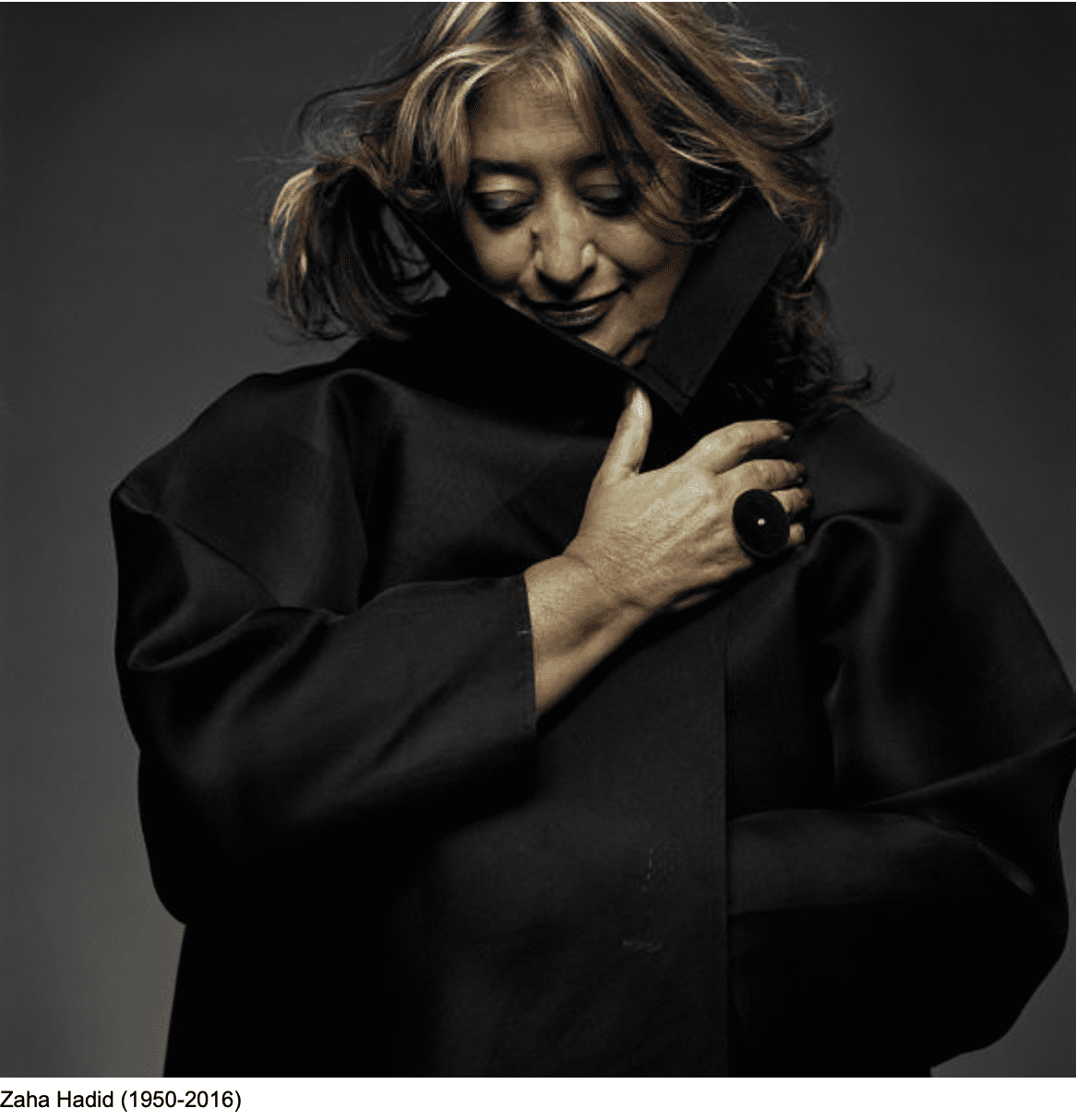
While her work was not overtly religious, her legacy matters deeply to British Muslims:
- She challenged assumptions about who can lead in architecture
- She demonstrated that Muslim identity and global modernity are not opposites
- She opened doors for women and Muslims in design-led professions
Hadid’s influence continues to inspire a new generation of Muslim architects in Britain and beyond.
Women and Muslim Architecture
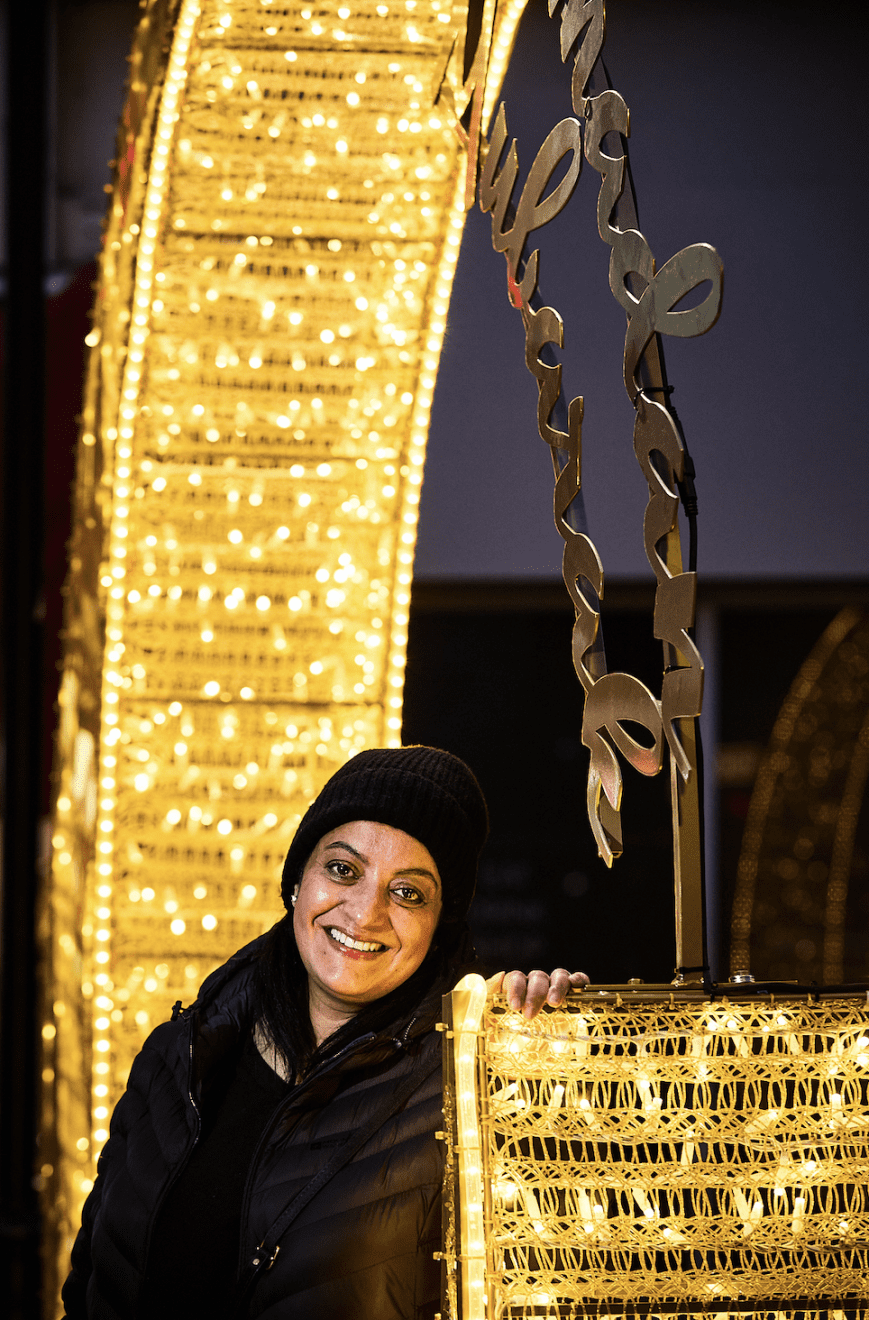
Muslim women have historically contributed to architecture as patrons, planners, and designers — though their roles were often undocumented. Today, Muslim women architects in the UK are increasingly visible, bringing perspectives that prioritise:
- Inclusive and safe spaces
- Human-centred design
- Community wellbeing
Their presence is expanding how Muslim architecture is imagined and practised.
Architecture as Responsibility in Islam
For many Muslim architects, design is tied to ethical responsibility:
- Stewardship of land (amanah)
- Balance between needs and excess
- Serving community before spectacle
This values-led approach aligns naturally with sustainable and socially conscious architecture — a growing priority in Britain today.
The Future of Muslim Architecture
Muslim architecture is not static. It continues to evolve through:
- Migration and diaspora experiences
- Sustainability and climate awareness
- Digital tools and modern materials
British Muslim architects are not replicating the past — they are building confidently for the future, creating spaces that reflect who Muslims are today.

Architecture, after all, is not just about buildings.
It is about belonging.