

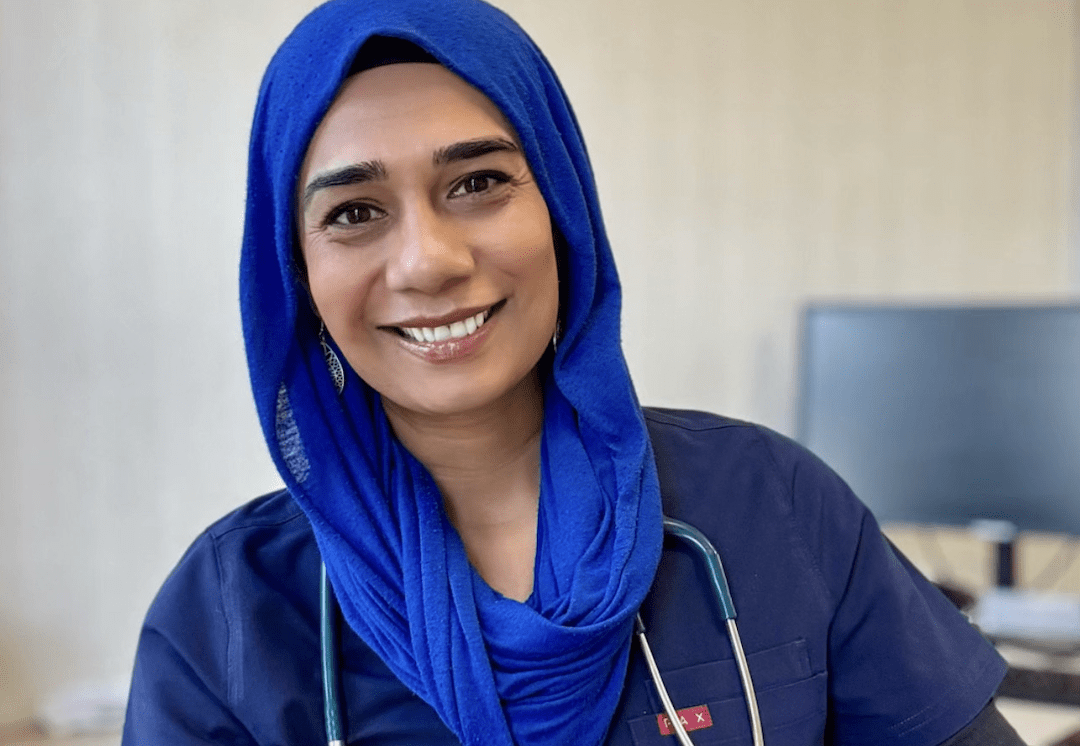
The NHS is encouraging people from South Asian communities to seek support for anxiety-related mental health conditions, reminding individuals that asking for help is a sign of strength—not weakness.
Mental health is just as important as physical health, yet for many people across South Asian communities, conversations around anxiety, trauma and emotional wellbeing remain difficult.
Whether it’s fear of judgement, cultural expectations, or simply believing they should “get on with it”, thousands continue to struggle in silence despite effective treatment being available.
To help change this, the NHS has launched a new campaign encouraging people from South Asian backgrounds to access NHS Talking Therapies—a free, confidential service offering support for a range of common mental health conditions.
Challenging Stigma Within Our Communities
Within many South Asian and Muslim families, emotional struggles are often misunderstood or overlooked. Feelings of anxiety or panic may be dismissed as stress, while conditions such as obsessive thoughts, trauma or social anxiety are sometimes viewed as something to endure rather than treat.

However, mental health professionals stress that these are recognised medical conditions—and, importantly, they are treatable.
Around one in five adults in England experiences a common mental health condition, yet millions are not receiving the support that could significantly improve their quality of life.
What Are NHS Talking Therapies?
NHS Talking Therapies provide free support for adults experiencing common mental health conditions, including:
- General anxiety
- Panic disorder
- Social anxiety
- Obsessive Compulsive Disorder (OCD)
- Post-Traumatic Stress Disorder (PTSD)
- Phobias
- Body Dysmorphic Disorder (BDD)
Treatment can take place in person, online or over the phone, allowing people to choose the option that works best for them.
Importantly for many British Muslims and South Asian families, support is also available in a range of South Asian languages through multilingual therapists or confidential interpreters, helping ensure language is never a barrier to receiving care.
Opening Up the Conversation
As part of the campaign, GP and women’s health advocate Dr Nighat Arif joined broadcaster Harmeet Kaur on the South Asian-led podcast Two Chickpeas in a Pod to discuss the realities of living with anxiety and the cultural pressures that often prevent people from seeking support.
Dr Arif highlighted the importance of early intervention.
“Most people with mental health conditions just want to be believed. These struggles often build over years, hidden by fear, shame or the feeling of being ‘broken’. That’s why it’s so important to seek help early.”
Harmeet Kaur also shared her own lived experience.
“I still experience anxiety every day, but Talking Therapies, including CBT through the NHS, have helped me learn how to cope with it. They helped me move from just surviving to actually thriving.”
Trending

Mental Health and Faith Can Go Hand in Hand
For many Muslims, faith provides comfort, resilience and hope during difficult times. Prayer, remembrance of Allah (dhikr), community support and spiritual guidance can all play an important role in wellbeing.
At the same time, seeking professional support for mental health is entirely compatible with Islamic teachings. Just as we seek medical treatment for physical illness, Islam encourages us to seek help when facing emotional or psychological difficulties.
Looking after our mental wellbeing enables us to better care for ourselves, our families and our communities.
Recognising When You Might Need Support
If anxiety, panic attacks, intrusive thoughts, compulsive behaviours, flashbacks, phobias or overwhelming worry are affecting your daily life, relationships or ability to work, it may be time to speak to someone.
Seeking help early can prevent symptoms from becoming more severe and help you regain confidence, resilience and peace of mind.
The first step doesn’t always have to be through your GP. Many NHS Talking Therapies services allow you to self-refer online, making it easier to access support confidentially and at a time that suits you.
Where to Find Help
To learn more about NHS Talking Therapies or to self-refer, visit nhs.uk/talk.
British Muslim Magazine says: Mental health is not a sign of weak faith, nor is asking for help a sign of failure. Opening up about anxiety, trauma or emotional wellbeing can be one of the bravest steps a person takes. By breaking down stigma and encouraging honest conversations, we can help create healthier families, stronger communities and a future where no one feels they have to suffer alone.