
Currently Browsing: British Muslim Magazine


Meet Yasara: the invite-only marriage app matching Muslim professionals with a real matchmaker, not a feed — and backing every match with two money-back guarantees. If you’ve spent any time on a Muslim marriage app, you know the drill. Endless swiping. Conversations that fizzle out. Matches who vanish without so much as a salaam. It’s […]
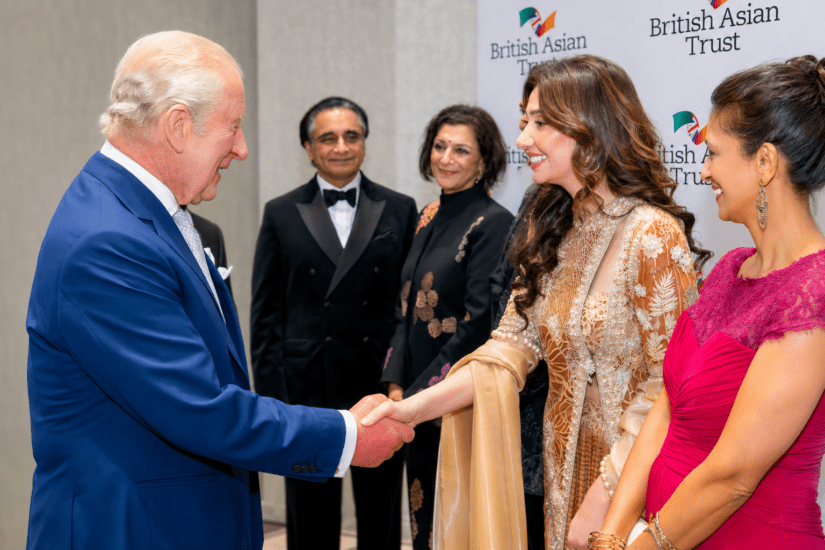
More than £1 million raised as the charity marks a milestone year, having reached over 18.8 million people across South Asia. His Majesty The King, Royal Founding Patron of the British Asian Trust, joined more than 300 guests at the charity’s Annual Dinner and Reception at The Peninsula London, celebrating nearly two decades of impact […]
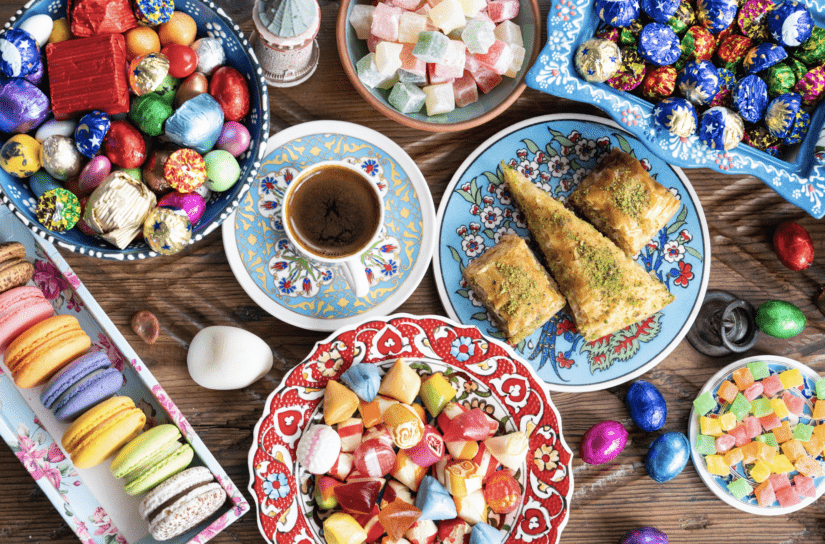
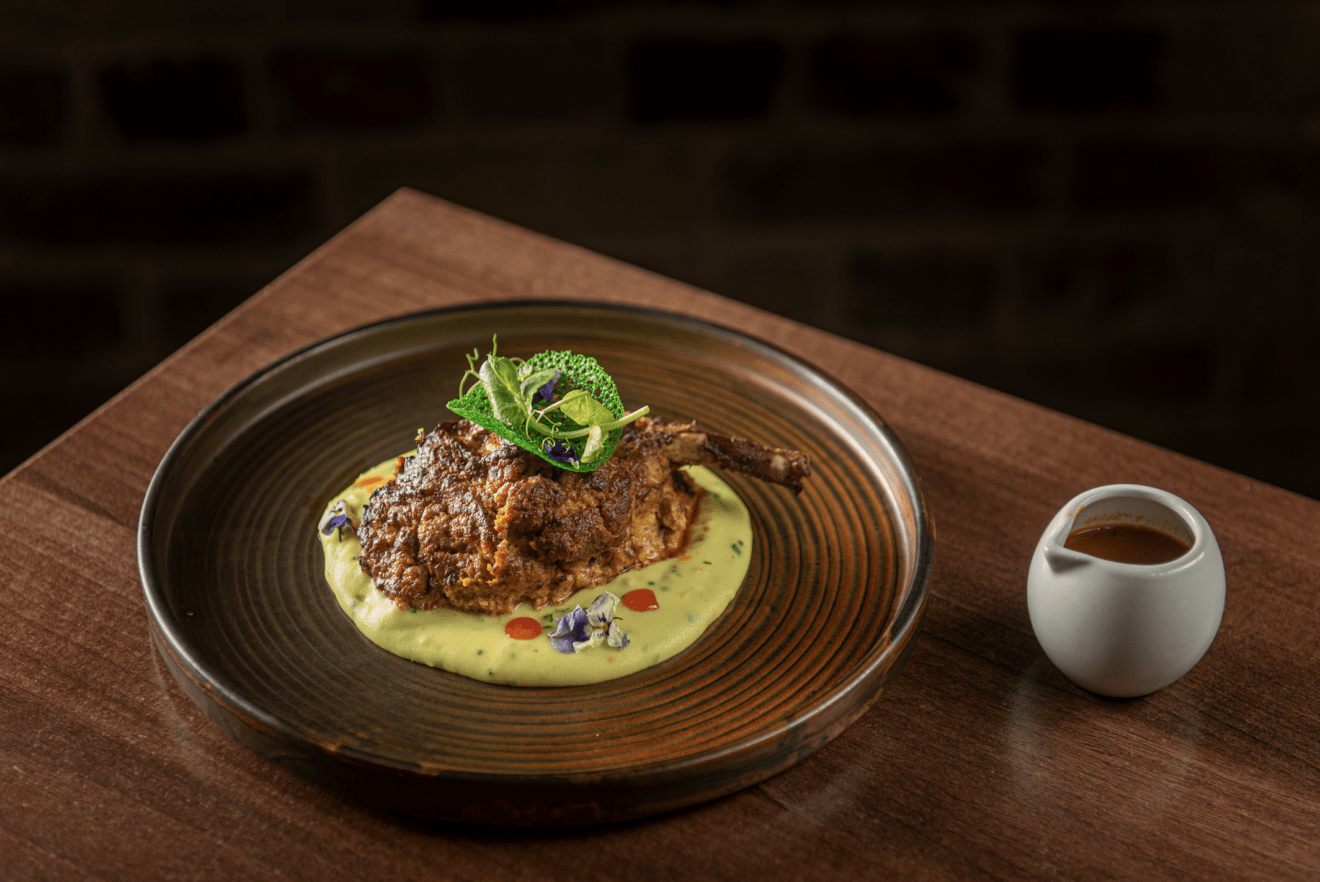
As we search for the crescent moon, excitement begins to rise as Eid al‑Fitr is once again upon us. Many of us begin preparing feasts and look forward to the moments of laughter, chatter, and the irresistible aroma of home-cooked delights shared with loved ones. What better way to mark the occasion than with some […]

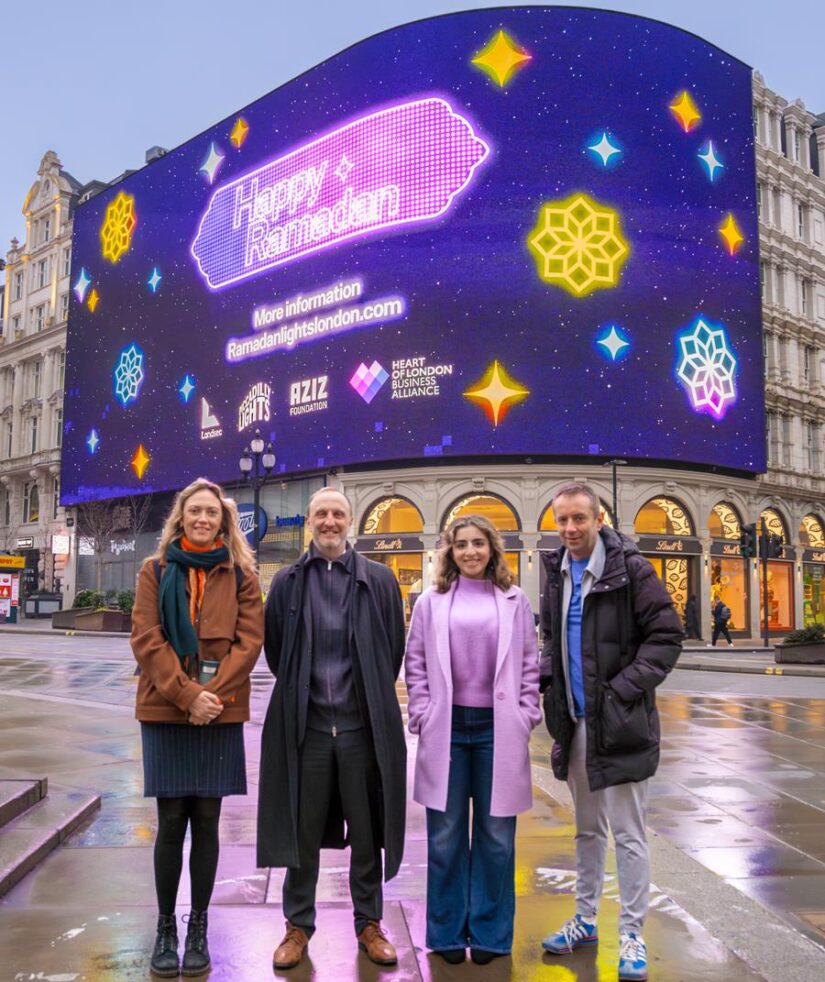
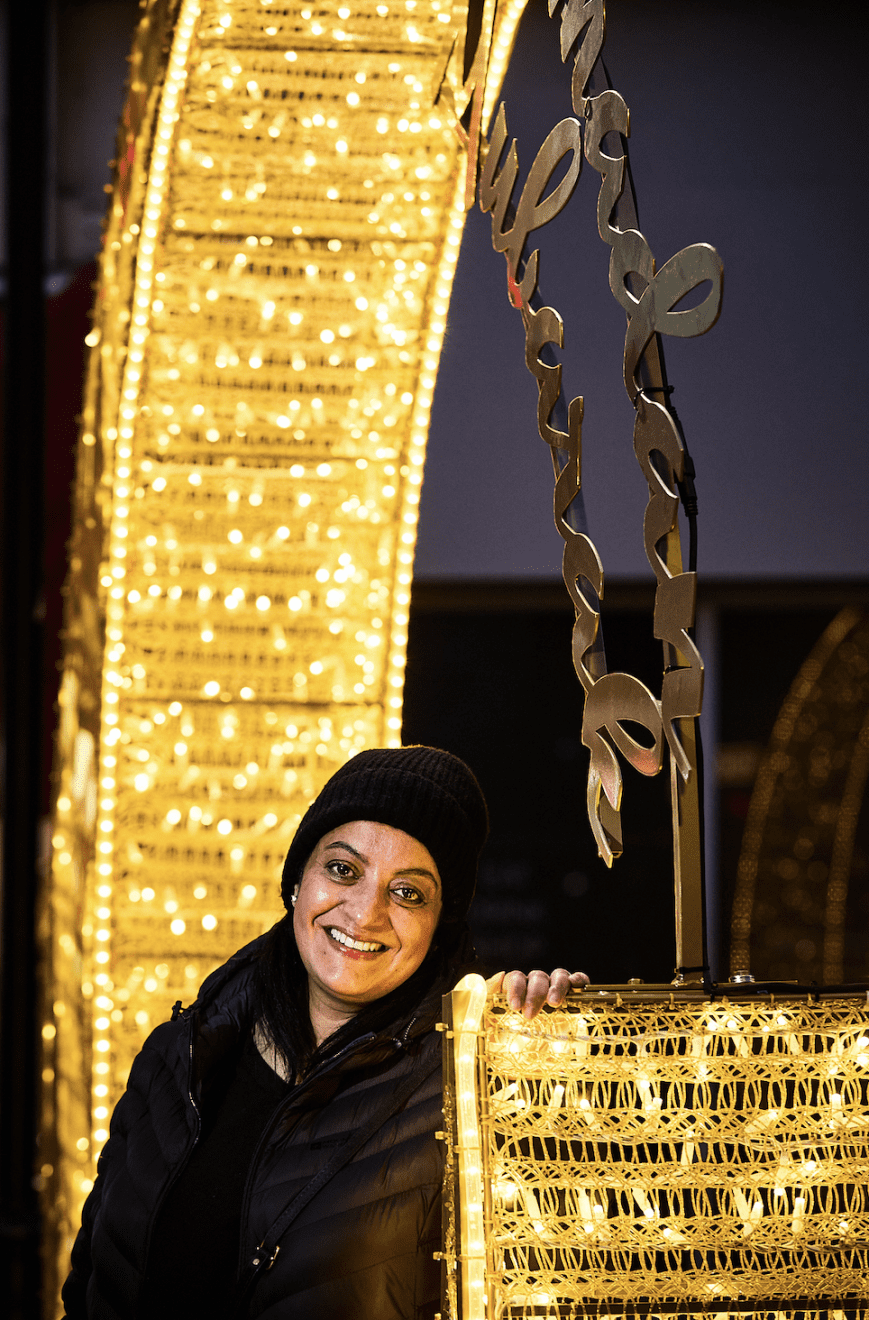
In a spectacular world-first, Piccadilly Lights has been illuminated to mark the beginning of Ramadan, transforming one of the world’s most recognisable public screens into a powerful beacon of unity, reflection and belonging. Delivered by The Aziz Foundation (Registered Charity: 1169558) in collaboration with Heart of London Business Alliance, Landsec and Piccadilly Lights, the entire […]
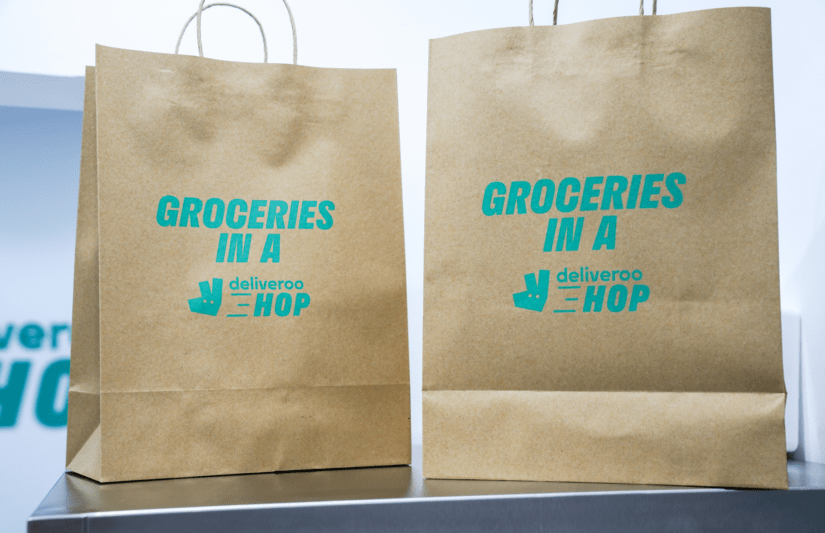
With Ramadan now underway and communities across the UK settling into the rhythm of fasting, prayer, and gathering, Iftar remains one of the most cherished moments of the day. Whether shared with family at home, enjoyed with friends, or prepared for guests at short notice, the evening meal carries both spiritual and social significance. This […]

Lush’s much-loved Eid range is back, returning this year by popular demand – available globally from Thursday 5th February 2026. Inspired by the joy, generosity, and shared rituals that celebrate Ramadan and Eid, the 2026 collection brings together fruity, nostalgic scents and thoughtful gifting designed to echo moments spent with family, friends, and loved ones. […]