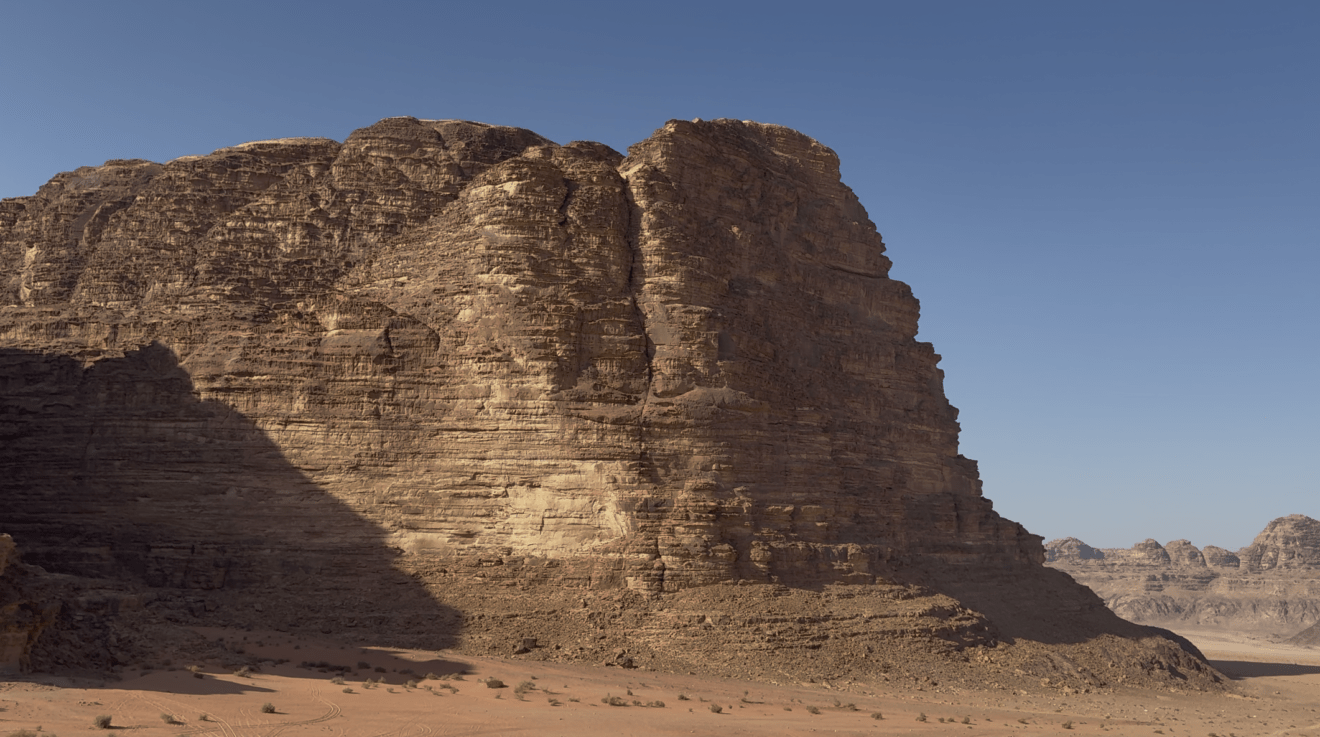

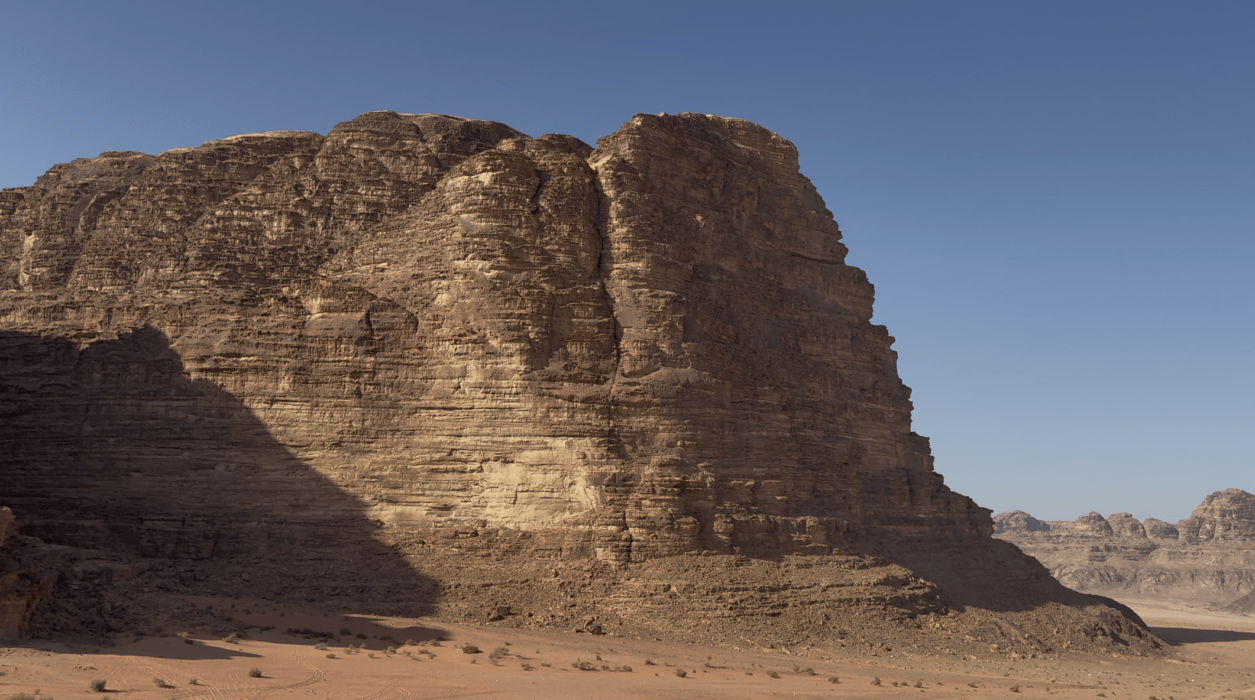
At first glance, Wadi Rum appears almost too vast to hold meaning. A sweeping expanse of sandstone mountains, open sky and deep red sand, it resists containment — geographical, historical or spiritual. Often framed through the language of adventure or cinematic spectacle, Wadi Rum is presented as empty, timeless, untouched.
Yet for Muslims, deserts have never been voids. They are places of clarity and testing, where distraction falls away and meaning sharpens. Wadi Rum’s Islamic significance lies precisely in this apparent emptiness. Its story is not written in monuments or inscriptions, but in movement, memory and moral imagination. It is part of an Islamic landscape shaped less by architecture than by attention to God.
A Desert That Was Never Empty
Despite modern portrayals, Wadi Rum has never been uninhabited. For millennia, nomadic Arab tribes moved through its valleys, guided by seasonal rhythms, water sources and knowledge passed down through generations. These routes linked southern Arabia to the Levant, carrying not only goods but language, poetry and belief.

By the time Islam emerged in the seventh century, this desert world was already deeply Arab and increasingly monotheistic in outlook. Islam did not arrive as a foreign force imposed on the desert; it emerged from the same moral environment. The values that sustained desert life — hospitality, honesty, endurance and reliance on God — became central ethical pillars of Islam.
The Qur’an repeatedly speaks in desert imagery: paths and horizons, drought and rain, signs scattered across the land. Wadi Rum mirrors this Qur’anic worldview. It is a place that demands attentiveness, patience and humility from those who pass through it.
The Desert in the Islamic Moral Tradition
In Islamic thought, deserts are spaces of sincerity. Removed from the distractions of settled life, they expose intention. This is why deserts recur in prophetic narratives — as places of retreat, trial and divine closeness.
While Wadi Rum is not named explicitly in Islamic scripture, it belongs to the same moral geography as the deserts that shaped the Prophet Muhammad ﷺ and the earliest Muslim community. The Hijaz and its surrounding landscapes were not incidental to Islam’s formation; they were formative. Patience (sabr), trust in God (tawakkul), restraint and humility were not abstract virtues, but necessities of survival.
For early Muslims travelling between the Hijaz and Greater Syria, landscapes like Wadi Rum were not obstacles to be overcome but teachers. They stripped life down to essentials, reminding travellers of their dependence on God and the fragility of human power.
On the Routes Between Worlds
Wadi Rum’s significance is shaped by its position between places of authority and revelation. It sits within historic corridors linking Makkah and Madinah to Damascus and Jerusalem — cities central to Islamic history, governance and scholarship.
For centuries, merchants, pilgrims, scholars and soldiers crossed the wider region. While caravans rarely lingered in Wadi Rum itself, the desert formed part of the psychological and physical preparation for travel. It was a liminal space — neither origin nor destination, but a necessary passage between them.
In Islam, travel carries spiritual weight. The hardships of the road test character and refine intention. Wadi Rum, with its unforgiving scale and elemental beauty, embodies this truth. To cross it required trust, cooperation and ethical conduct.
Absence as Meaning
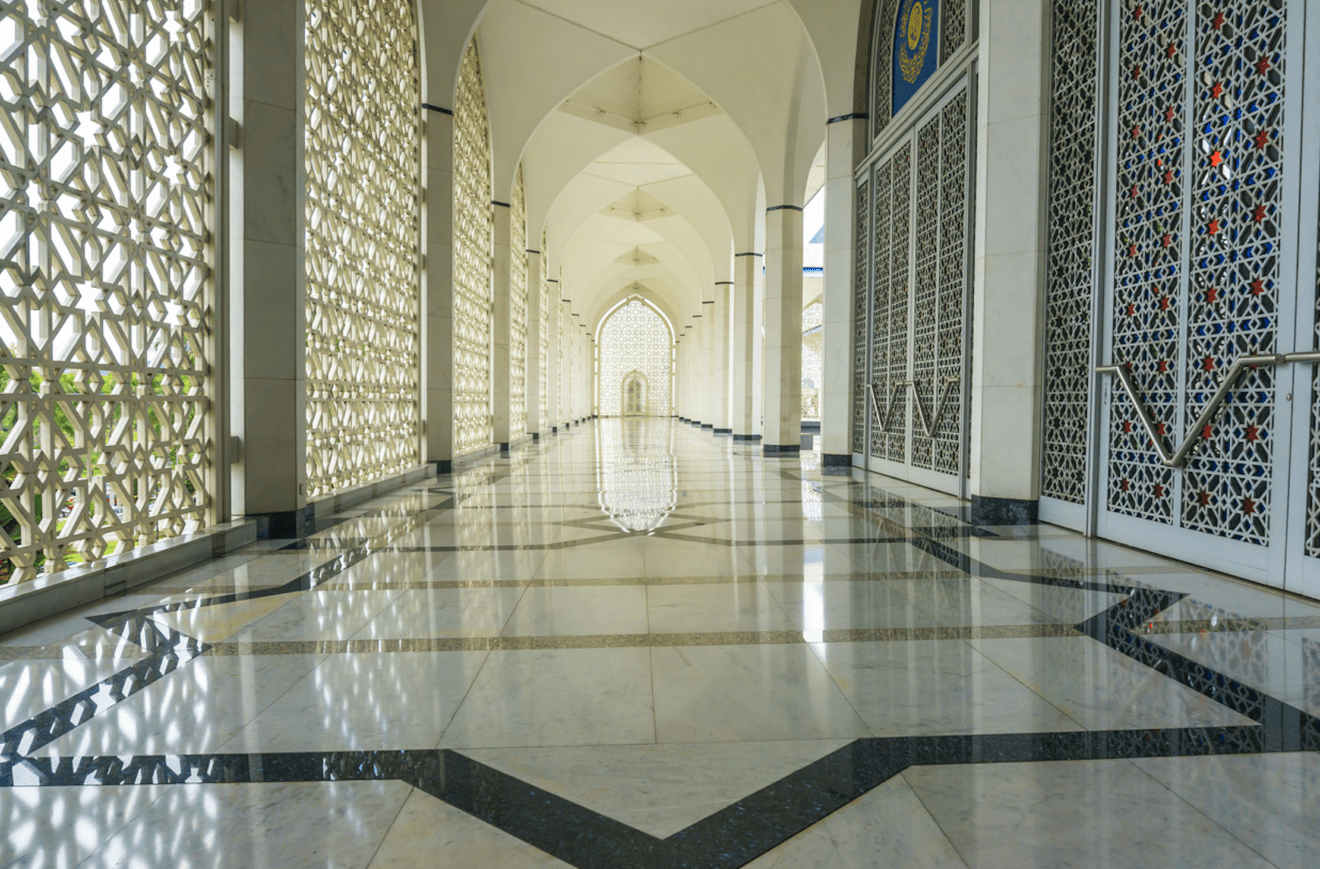
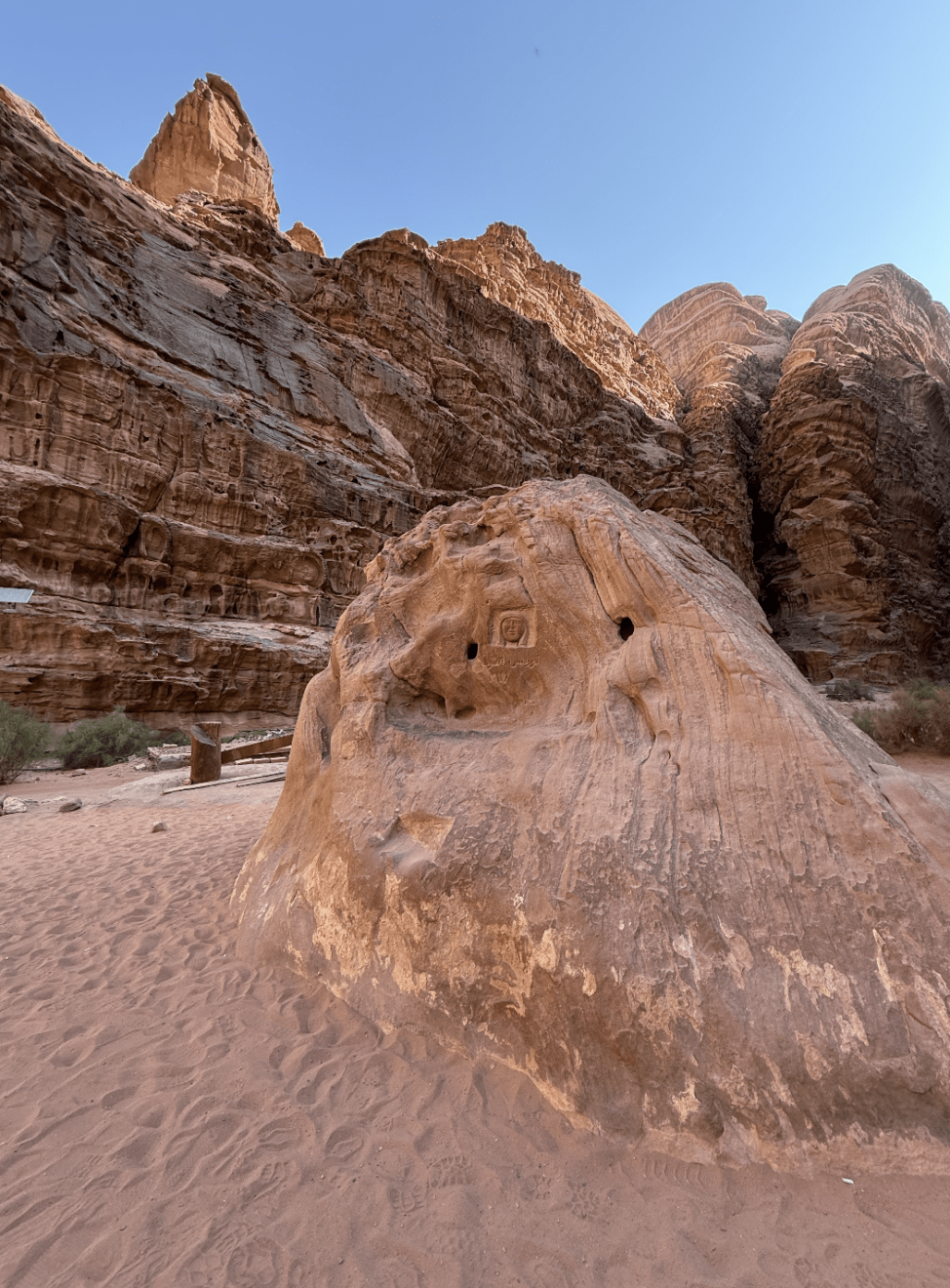
Unlike many historic Islamic landscapes, Wadi Rum bears few visible religious structures. This absence is not accidental; it is instructive. Islam does not sanctify land through excessive building, nor does it seek to dominate the natural world with symbols.
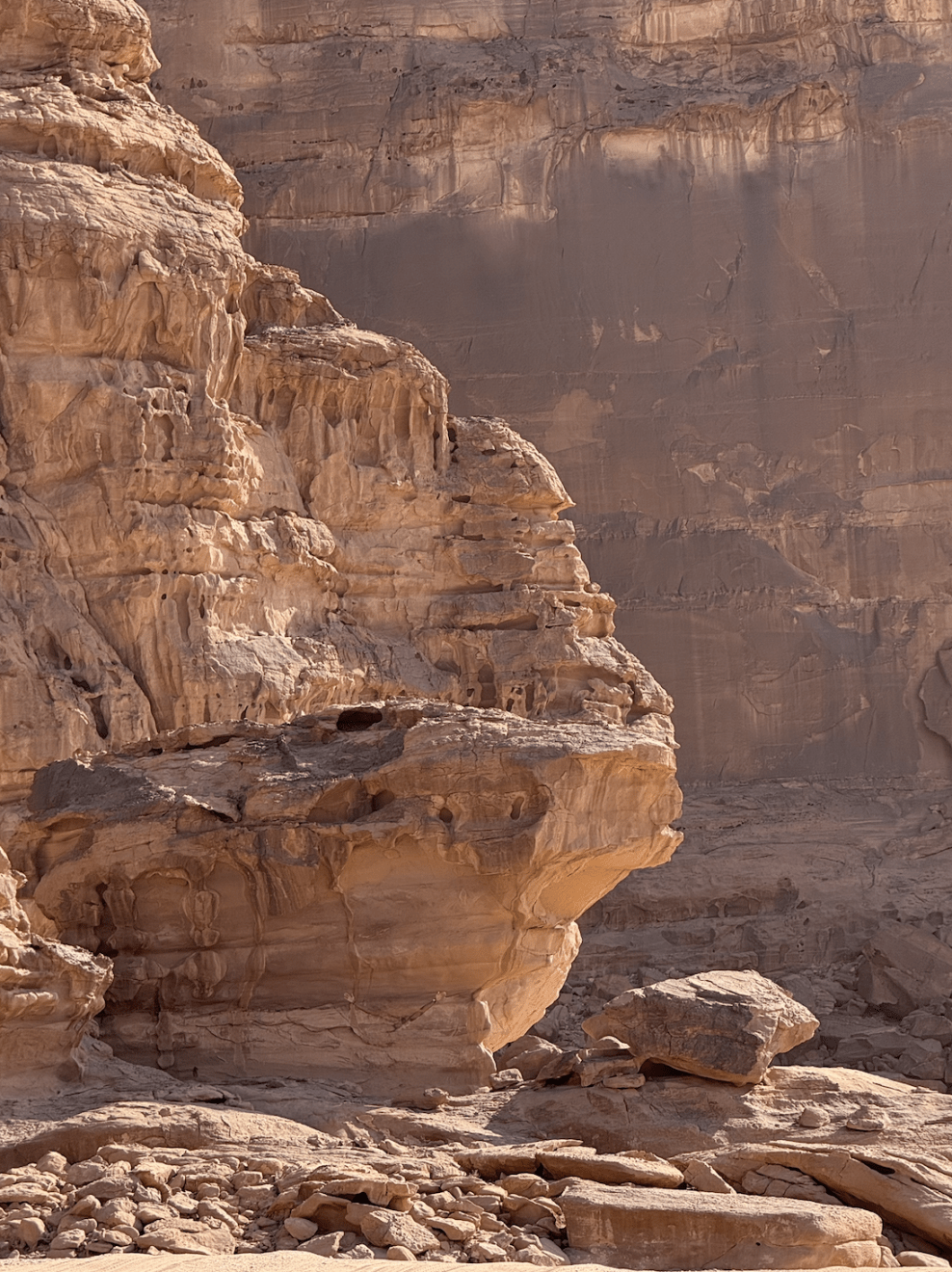
Instead, the desert itself becomes the reminder. The Qur’an calls on believers to observe creation — mountains, skies and horizons — as signs (ayat) of divine order. Wadi Rum performs this role without ornament. Its cliffs dwarf human presence; its skies resist ownership.
Here, Islamic presence is expressed through restraint. Faith does not compete with creation; it responds to it.
Bedouin Islam: Faith Lived Lightly
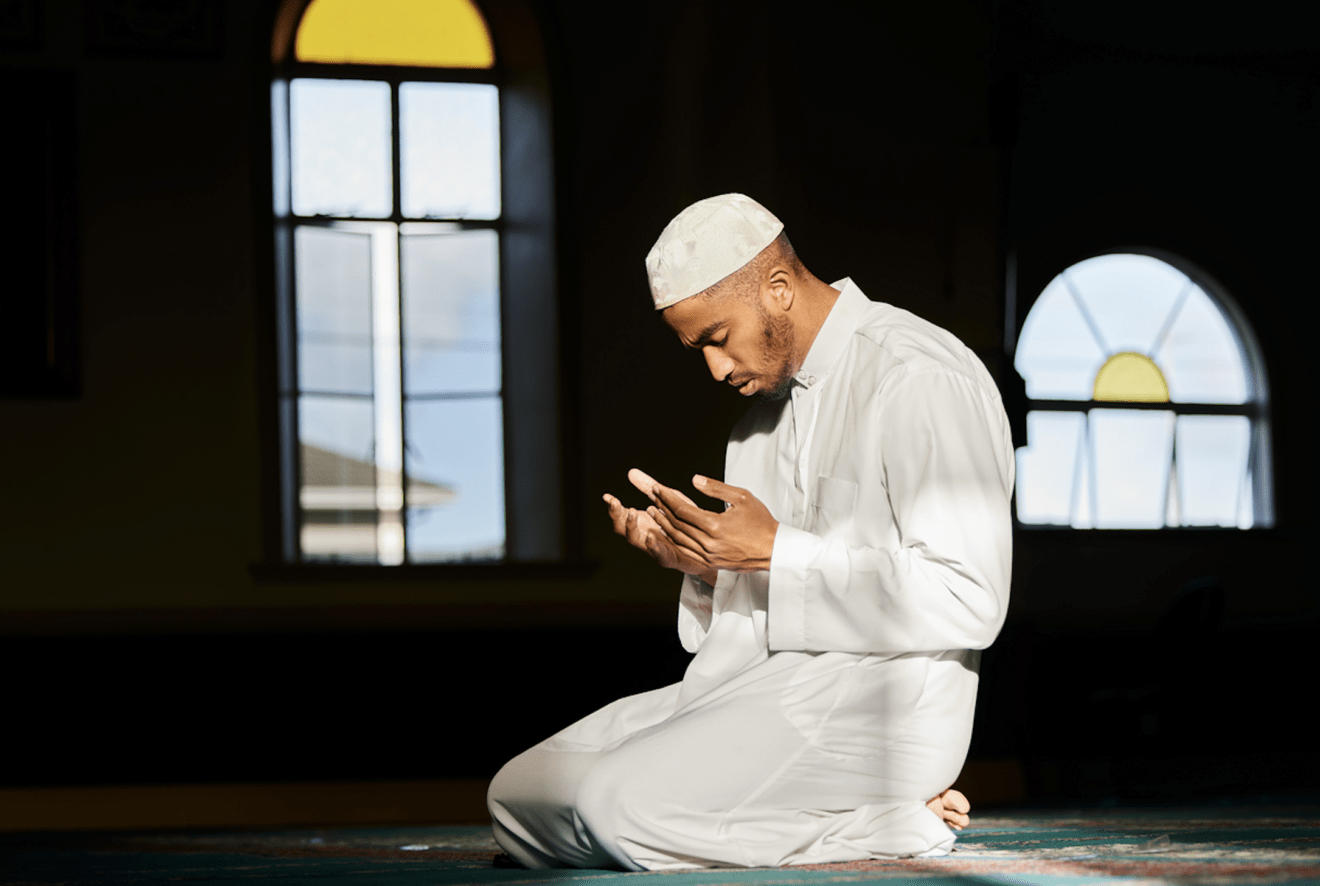
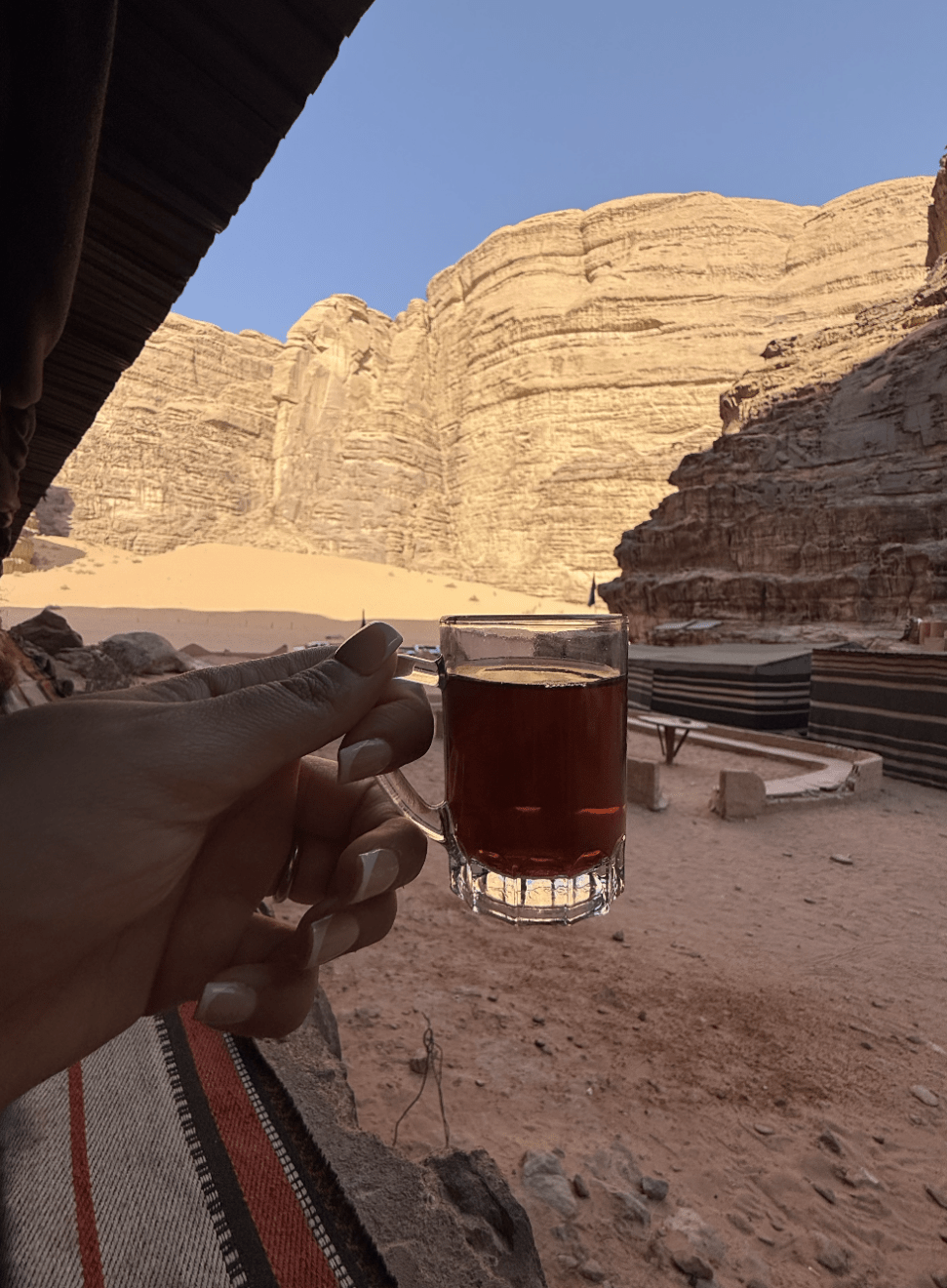
For centuries, Bedouin communities in and around Wadi Rum practised Islam in ways shaped by environment. Faith was portable, communal and practical. Prayer followed the sun rather than the clock. Mosques were often nothing more than cleared ground aligned toward the qiblah.
Hospitality was not a cultural courtesy but a religious obligation. To offer water, shelter or food in the desert was an act of worship. Survival depended on moral conduct, and ethics were inseparable from faith.

This form of Islam left few physical traces, but it left a deep ethical imprint. It demonstrated how belief could be carried lightly — without monument, without spectacle.
Reflection in the Modern Gaze
Today, Wadi Rum is promoted as a destination — a place of silence marketed as escape. Yet its Islamic resonance risks being reduced to scenery, stripped of moral depth.
To view Wadi Rum only as landscape is to misunderstand it. In Islamic terms, it is a place that demands reflection rather than consumption. Its scale invites humility; its quiet calls for remembrance.
The Qur’an cautions against passing through the land without insight:
“Do they not travel through the land, so that they may have hearts with which to understand?” (Qur’an 22:46)
Wadi Rum asks this question of every visitor.
A Landscape That Still Teaches
Wadi Rum does not proclaim its Islamic story. It whispers it — through shadow, wind and distance. It reminds us that Islam was shaped not only in cities and institutions, but also in open landscapes where faith was tested daily against hunger, thirst and fear.
In an age of noise and excess, Wadi Rum offers something rare: proportion. It restores a sense of scale between human ambition and divine creation. Here, belief feels less asserted and more felt.
In the open desert, Islam returns to one of its earliest teachers — the land itself.
Read the full review in our ‘Faith Issue’ out this Ramadan!
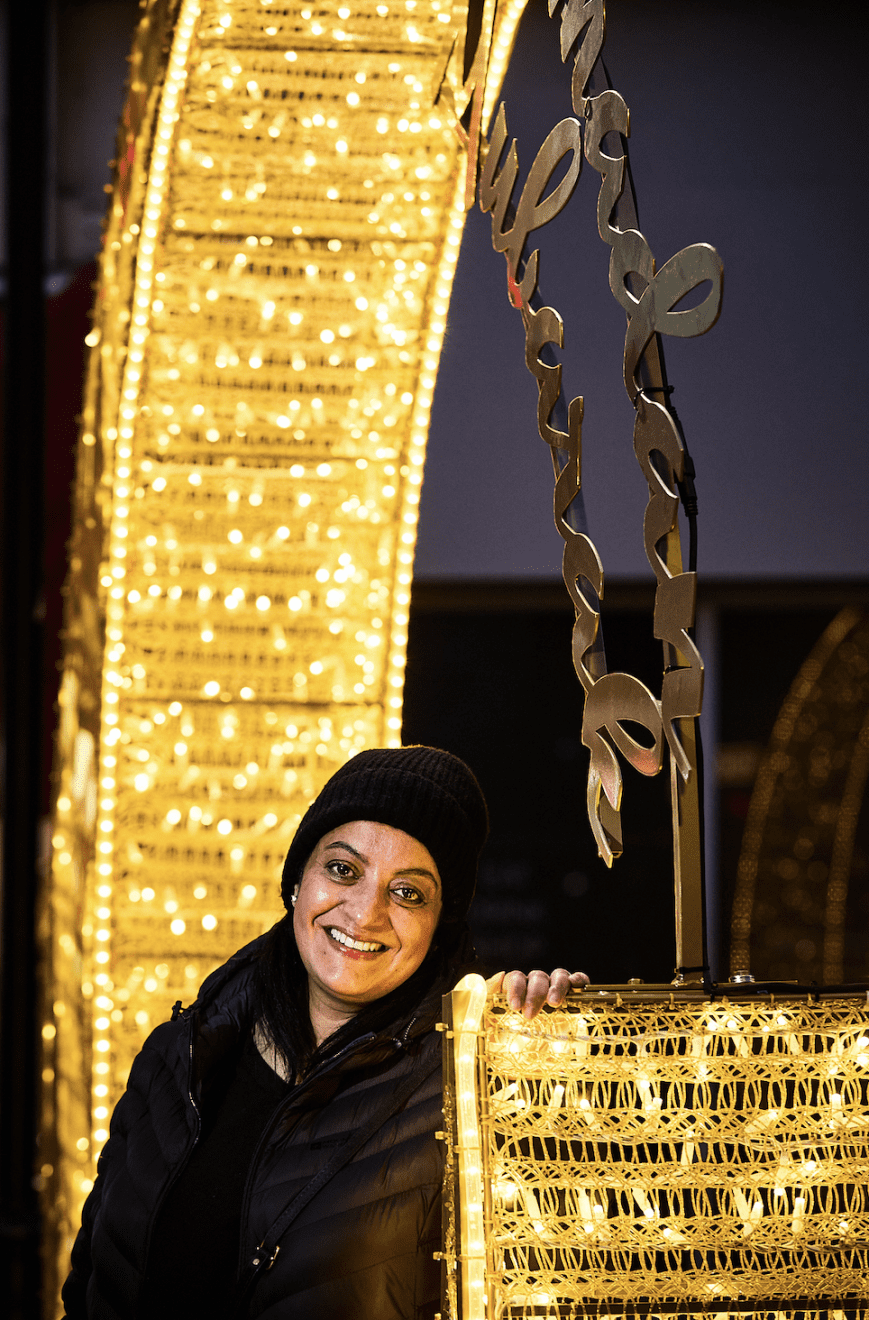
Natasha Syed is the dynamic Editor-in-Chief of British Muslim Magazine, the UK’s premium Travel & Lifestyle publication catering to Muslim audiences. With a passion for storytelling and a keen eye for celebrating diverse cultures, she leads the magazine in curating inspiring content that bridges heritage, modern luxury, and faith-driven experiences.
Under her leadership, British Muslim Magazine continues to set the standard for authentic, and engaging trusted narratives, making it the go-to source for Muslim traveler's and lifestyle enthusiasts across the UK and beyond.