

Anxiety is a common mental health challenge that affects millions of people worldwide.
Whether it’s a fleeting feeling of worry or a more persistent, overwhelming sensation, anxiety can interfere with daily life, making it harder to focus, work, or even relax. The good news is that anxiety is manageable. With the right strategies and mindset, you can learn to regain control and find peace in your daily life.
Managing anxiety is an ongoing process, but with the right strategies, it’s possible to significantly reduce its impact on your life. Whether through mindfulness, physical activity, challenging negative thoughts, or seeking professional help, you can find the tools that work best for you.
Anxiety often manifests as an excessive worry about everyday situations, either specific or broad. Common symptoms include restlessness, fatigue, difficulty concentrating, muscle tension, and sleep disturbances. While everyone experiences anxiety at some point, chronic or severe anxiety can develop into conditions like generalised anxiety disorder (GAD), panic disorder, or social anxiety disorder.


The key to managing anxiety effectively is a combination of self-care, lifestyle adjustments, and, in some cases, professional help.
Something that has helped me in the past is practicing mindfulness and meditation (Dhikr).
Mindfulness is a powerful tool for managing anxiety. It involves staying present in the moment, focusing on your thoughts, feelings, and surroundings without judgment. By practicing mindfulness, you can create distance between yourself and your anxious thoughts, preventing them from overwhelming you. Meditation, a form of mindfulness, can help train your mind to stay calm and focused.
Regular meditation practice, even for just a few minutes each day, has been shown to reduce anxiety and stress.
Apps like Headspace or Calm can guide you through simple meditation sessions if you’re just starting.
START:
- Find a quiet space where you can sit comfortably.
- Close your eyes and focus on your breath.
- Inhale deeply and exhale slowly.
- When your mind wanders, gently bring your attention back to your breath.
Develop a daily or weekly Routine – why? Because establishing a consistent daily or weekly routine can create a sense of stability and control, helping to reduce anxious feelings.
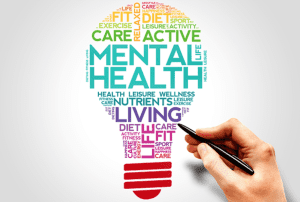
Prioritise self-care activities like eating nutritious meals, staying hydrated, and getting enough sleep. Physical activity is especially beneficial for anxiety management. Regular exercise releases endorphins, which are natural mood elevators, and helps reduce muscle tension. Activities like yoga, walking, or swimming can be especially calming.
SELF CARE:

- Set regular times for meals and sleep.
- Incorporate at least 30 minutes of physical activity into your day.
- Take short breaks throughout the day for activities you enjoy, such as reading or listening to music.
NEGATIVE THOUGHTS:
- Anxiety often involves negative thought patterns, such as catastrophising or assuming the worst in every situation.
- Learning to challenge and reframe these thoughts is essential in reducing anxiety.
- Cognitive Behavioral Therapy (CBT), a widely used technique for managing anxiety, teaches people how to recognise and change distorted thinking.
- You can practice this on your own by identifying your anxious thoughts and asking yourself whether they are realistic or helpful.
CBT
- Write down your anxious thought.
- Ask yourself: What evidence supports this thought?
- What evidence contradicts it?
- Reframe the thought into a more balanced perspective.
For example, instead of thinking, “I’ll fail this project and lose my job,” you can say, “I’ve faced challenges before and succeeded. I will do my best and ask for help if needed.”
Practice Breathing Exercises Anxiety often triggers shallow, rapid breathing, which can lead to feelings of dizziness and increased panic. Breathing exercises can help you regain control of your breath, signaling to your body that it’s time to relax.
One effective method is deep belly breathing or diaphragmatic breathing, which helps slow down your heart rate and calm your nervous system.
Try this simple breathing exercise:
- Sit or lie down in a comfortable position.
- Place one hand on your chest and the other on your abdomen.
- Breathe in slowly through your nose, allowing your abdomen to rise.
- Exhale slowly through your mouth, feeling your abdomen fall.
- Repeat this for 5-10 minutes.
Limit Stimulants and Anxiety Triggers Certain lifestyle factors can exacerbate anxiety. Stimulants like caffeine, and nicotine can increase anxiety symptoms, making it harder to manage. Pay attention to how these substances affect you, and try to reduce or eliminate them from your daily routine. It’s also essential to identify specific triggers that may worsen your anxiety. These could be certain environments, situations, or even people. Once you’ve identified your triggers, you can either avoid them or find ways to cope with them more effectively.


- Keeping a journal to track when your anxiety flares up.
- Gradually exposing yourself to stressful situations in small, manageable doses, a technique known as exposure therapy.
- Seeking support from friends, family, or a therapist to help navigate difficult situations.
- Seek Professional Help While self-care and lifestyle changes can be very effective, some cases of anxiety require professional support.
- If your anxiety is significantly interfering with your daily life or you find it difficult to manage on your own, seeking help from a therapist or counsellor can be beneficial.
Therapies like CBT, exposure therapy, and acceptance and commitment therapy (ACT) are all proven methods for treating anxiety. In some cases, medication may also be prescribed to help regulate symptoms.
SUPPORT
Build a Support Network Anxiety can feel isolating, but having a strong support network is crucial in managing it. Talking to friends, family, or support groups about what you’re experiencing can provide emotional relief. Sometimes, just knowing that others understand and are there for you can make a big difference. If your social circle isn’t aware of what you’re going through, consider gently opening up to those you trust. Many people will be more supportive and understanding than you expect.
Remember, everyone’s journey with anxiety is different, so be patient with yourself as you explore different approaches to managing it. With time and persistence, you can lead a calmer, more balanced life.
Image Credit – Annie Spratt, Unsplash