
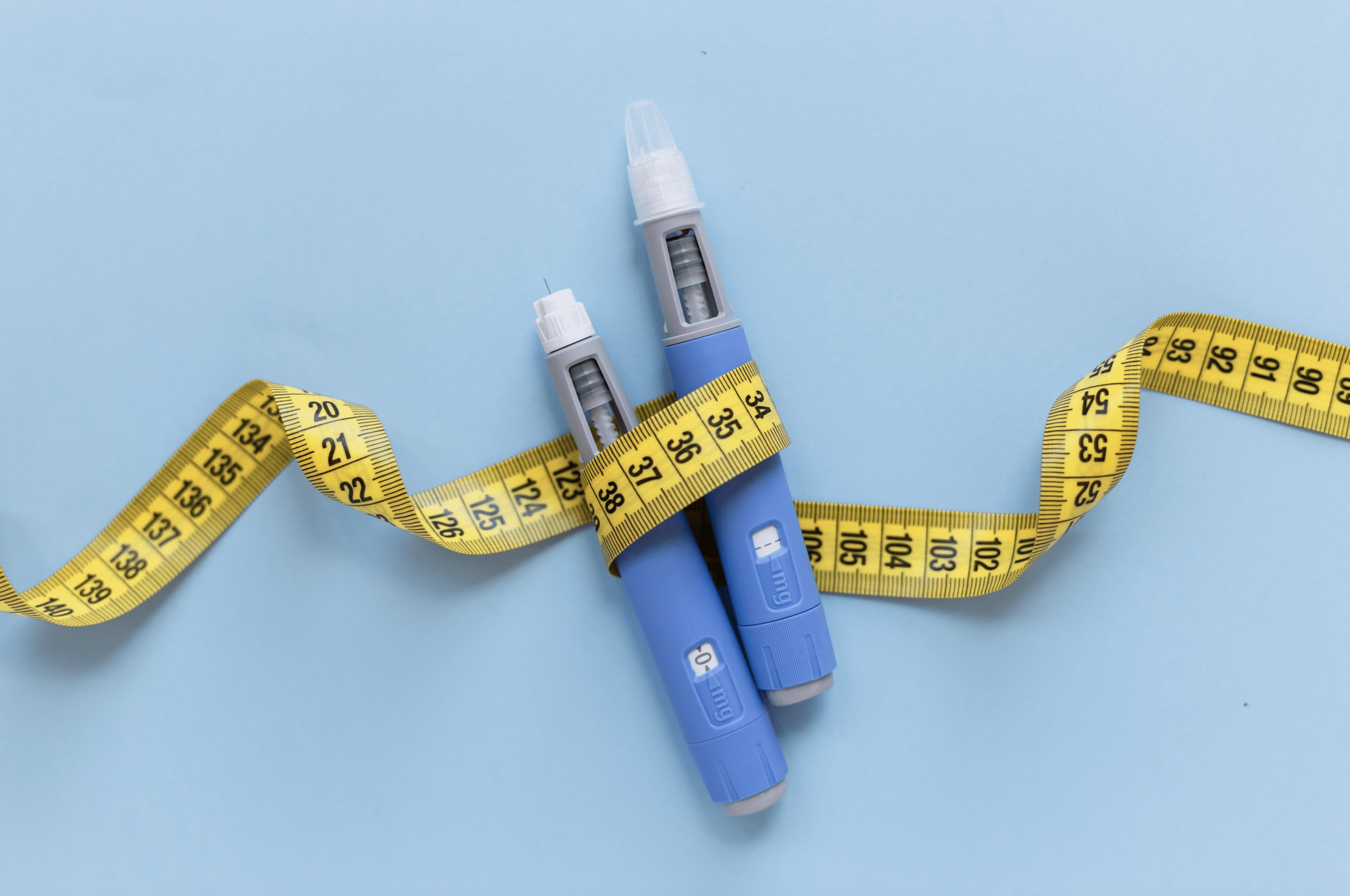
As the popularity of new weight loss medications such as Wegovy and Mounjaro continues to grow, health experts are urging caution: these treatments may help people shed pounds, but without lasting changes to diet and lifestyle, the benefits could be short-lived — and nutritional health could be at risk.
The British Nutrition Foundation (BNF) has warned that while GLP-1 and GIP receptor agonists are transforming the landscape of obesity treatment, their long-term impact on population health depends heavily on how people use them.
“Weight loss medications have emerged as an important tool for achieving a healthy weight, but lasting success depends on the healthy habits people build while taking them,” says Sara Stanner, Science Director at the BNF.
“The treatment period is a window of opportunity for creating positive behaviour change — by focusing on diet quality and physical activity, people can get the most out of their medication while investing in long-term health.”
A Smaller Appetite, Bigger Nutritional Challenges
These medications work by suppressing appetite, helping users eat less. But less food can also mean fewer nutrients. Unless people make careful food choices, they could miss out on essential vitamins, minerals, and fibre.


The BNF stresses that nutritional guidance and physical activity advice should accompany any use of weight loss medication. However, Stanner notes that many individuals obtaining these drugs privately may not be receiving the clinical or dietary support they need.
“There’s anecdotal evidence that some people accessing these medications privately aren’t getting the right advice,” she says. “Making nutrient-rich choices and staying active will help people get the most out of their treatment and maintain a healthier weight.”
BNF’s Nutrition Tips for Weight Loss Medication Users
To help people stay healthy while using appetite-suppressing treatments, the BNF has shared practical nutrition and lifestyle advice:
- Eat your 5 A DAY: Fruits and vegetables provide fibre, vitamin C, folate, and potassium — all essential for health.
- Choose fibre-rich foods: Wholegrains, beans, lentils, nuts, and vegetables help meet the 30g daily fibre target, even with reduced calorie intake.
- Focus on nutrient density: When eating less, every bite counts. Prioritise “quality calories” like lean proteins, dairy or fortified alternatives, wholegrains, fruits, and vegetables.
- Support your bones: Include reduced-fat dairy or fortified plant drinks for calcium, iodine, and vitamin B12. Consider a vitamin D supplement during autumn and winter.
- Add beans and lentils: They’re affordable, versatile, and high in both fibre and protein.
- Get omega-3s: Eat oily fish like salmon or mackerel weekly, or use plant-based sources like chia seeds or walnuts if you’re vegetarian or vegan.
- Stay hydrated: Appetite loss can also reduce fluid intake. Water is best, but unsweetened tea, coffee, milk, or smoothies can also contribute.
- Keep active: To avoid muscle loss during weight reduction, incorporate resistance exercise such as yoga, Pilates, or weight training.
- Consider a multivitamin: If you’re eating fewer than 1,400 calories a day, supplements may help fill nutritional gaps.
- Seek professional support: Regular check-ins with healthcare providers are key to safe and effective treatment.
Social Media vs. Science
As discussion around these drugs explodes online, Stanner warns that not all information circulating on social media is trustworthy.


“People deserve clear, evidence-based guidance they can trust,” she says. “That’s why we’re sharing practical nutrition advice to help people make informed choices that support their health during treatment and beyond.”
Weight loss injections may suppress hunger, but they can’t replace the role of healthy eating, physical activity, and long-term lifestyle habits. For sustainable results — and true health — food quality still matters as much as quantity.
To learn more about the British Nutrition Foundation’s advice for people using weight loss medications, visit their website.