
In today’s fast-paced world, maintaining a balanced diet can feel like a challenge.
Between juggling work, family, and personal responsibilities, it’s easy to fall into the trap of quick, processed meals or skipping meals altogether. However, balanced nutrition is the cornerstone of good health, affecting everything from energy levels and immune function to mental clarity and emotional well-being. The good news is that achieving balanced nutrition doesn’t have to be complicated.
By understanding the basics and making small, mindful choices, you can nourish your body and mind for a healthier life.
What Is Balanced Nutrition?
Balanced nutrition refers to eating a variety of foods that provide essential nutrients—carbohydrates, proteins, fats, vitamins, and minerals—in the right proportions to support your body’s functions. It’s about creating harmony in your diet, where no single food group is prioritised over another, ensuring you get the nutrients your body needs to thrive.
A balanced diet typically includes:


- Carbohydrates: Provide energy for daily activities. Opt for whole grains, fruits, and vegetables over refined sugars.
- Proteins: Build and repair tissues. Choose lean meats, poultry, fish, beans, and legumes.
- Fats: Support brain function and absorb certain vitamins. Focus on healthy fats from sources like avocados, nuts, seeds, and olive oil.
- Vitamins and minerals: Support overall health and prevent deficiencies. These are found in fruits, vegetables, dairy, and lean proteins.
- Water: Vital for hydration and all bodily functions.
Why Is Balanced Nutrition Important?
Eating a well-rounded diet provides numerous benefits for both physical and mental health:
- Sustained energy: Balanced meals help maintain steady energy levels throughout the day, preventing the mid-afternoon slump and keeping you productive.
- Stronger immune system: A variety of vitamins and minerals, especially from fruits and vegetables, help boost your body’s ability to fight off illnesses.
- Improved mental clarity: Proper nutrition supports brain function, enhancing memory, focus, and mood.
- Weight management: A balanced diet helps regulate hunger, prevents overeating, and promotes a healthy metabolism.
- Better long-term health: It reduces the risk of chronic diseases like heart disease, diabetes, and high blood pressure.
How to Achieve Balanced Nutrition
Achieving a balanced diet isn’t about strict rules or depriving yourself—it’s about making informed choices that nourish your body. Here are some practical tips to help you strike the right balance:
Eat a Variety of Foods
Eating a wide range of foods ensures you get the full spectrum of nutrients your body needs. Each food group has unique health benefits, so try to include fruits, vegetables, grains, proteins, and healthy fats in every meal.


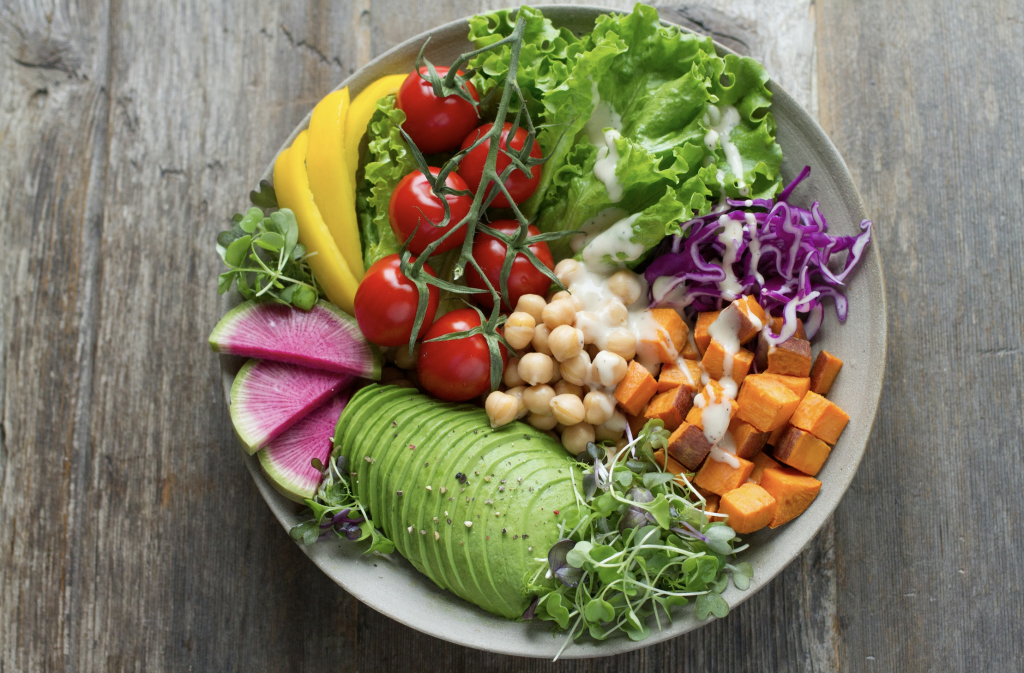
- Fruits and vegetables: Aim for a colorful plate with a variety of produce, as different colors represent different nutrients. For example, leafy greens are high in iron and calcium, while orange fruits like carrots and sweet potatoes are rich in vitamin A.
- Whole grains: Opt for whole grains like brown rice, quinoa, and oats instead of refined grains like white bread and pasta.
- Lean proteins: Incorporate plant-based proteins like beans, lentils, and tofu, along with lean meats, poultry, and fish.
Portion Control
Even when eating nutritious foods, portion control is key to balanced nutrition. Overeating, even healthy foods, can lead to excess calorie intake, making it difficult to maintain a healthy weight.
- Listen to your body: Eat when you’re hungry and stop when you’re full.
- Use smaller plates: This simple trick can help you control portion sizes without feeling deprived.
- Follow the “plate method”: Visualise your plate as divided into three sections—half should be filled with vegetables, one-quarter with lean protein, and the remaining quarter with whole grains or starchy vegetables.
Incorporate Healthy Fats
Fats often get a bad reputation, but healthy fats are essential for brain function, hormone production, and absorbing fat-soluble vitamins like A, D, E, and K. The key is to focus on unsaturated fats while limiting unhealthy trans and saturated fats.
- Healthy fat sources: Avocados, nuts, seeds, olive oil, and fatty fish like salmon.
- Limit unhealthy fats: Minimise consumption of fried foods, processed snacks, and fatty cuts of meat.
Balance Carbohydrates with Protein and Fat
Carbohydrates provide a quick energy source, but pairing them with protein and fat helps stabilize blood sugar levels and keeps you fuller for longer. Instead of having a carb-heavy snack like a muffin, try balancing it with protein and healthy fats, like yogurt with berries and nuts.


Stay Hydrated
Water is an often-overlooked component of balanced nutrition. Staying hydrated is crucial for digestion, nutrient absorption, and overall well-being.
- Drink enough water: Aim for at least 6-8 glasses of water per day, more if you’re active.
- Limit sugary drinks: Replace soda and sugary beverages with water, herbal teas, or flavoured water with a splash of citrus.
Snack Smart
Healthy snacking can be part of a balanced diet if you choose nutrient-dense foods. Instead of reaching for processed snacks, try whole foods that provide lasting energy.
- Smart snack options: A handful of almonds, apple slices with peanut butter, or a hard-boiled egg with some whole-grain crackers.
- Avoid mindless snacking: Pay attention to your hunger levels and avoid eating out of boredom or stress.
Don’t Skip Meals
Skipping meals, especially breakfast, can lead to overeating later in the day. A balanced breakfast helps kickstart your metabolism and sets the tone for making healthier choices throughout the day.
- Healthy breakfast ideas: Try oatmeal topped with nuts and berries, a smoothie with spinach, banana, and almond butter, or whole-grain toast with avocado and a poached egg.
Indulge Mindfully
A balanced diet doesn’t mean you have to give up your favourite foods. It’s all about moderation. Allow yourself to enjoy treats occasionally, but balance them with nutrient-rich meals throughout the day.
- Mindful indulgence: Savour your favourite foods slowly and without guilt, appreciating the taste and texture.
Balancing nutrition is all about making conscious choices to nourish your body with a variety of wholesome, nutrient-dense foods. By eating mindfully, staying hydrated, and prioritising a wide range of food groups, you can create a balanced, sustainable approach to nutrition that supports your overall health and well-being.
Remember, it’s not about perfection but about making small, meaningful changes that work for your lifestyle—your body will thank you for it!
Image credit – Anna Pelzer, Unsplash